
Finding Joy in Autonomy
A Conversation with Gina Fattore

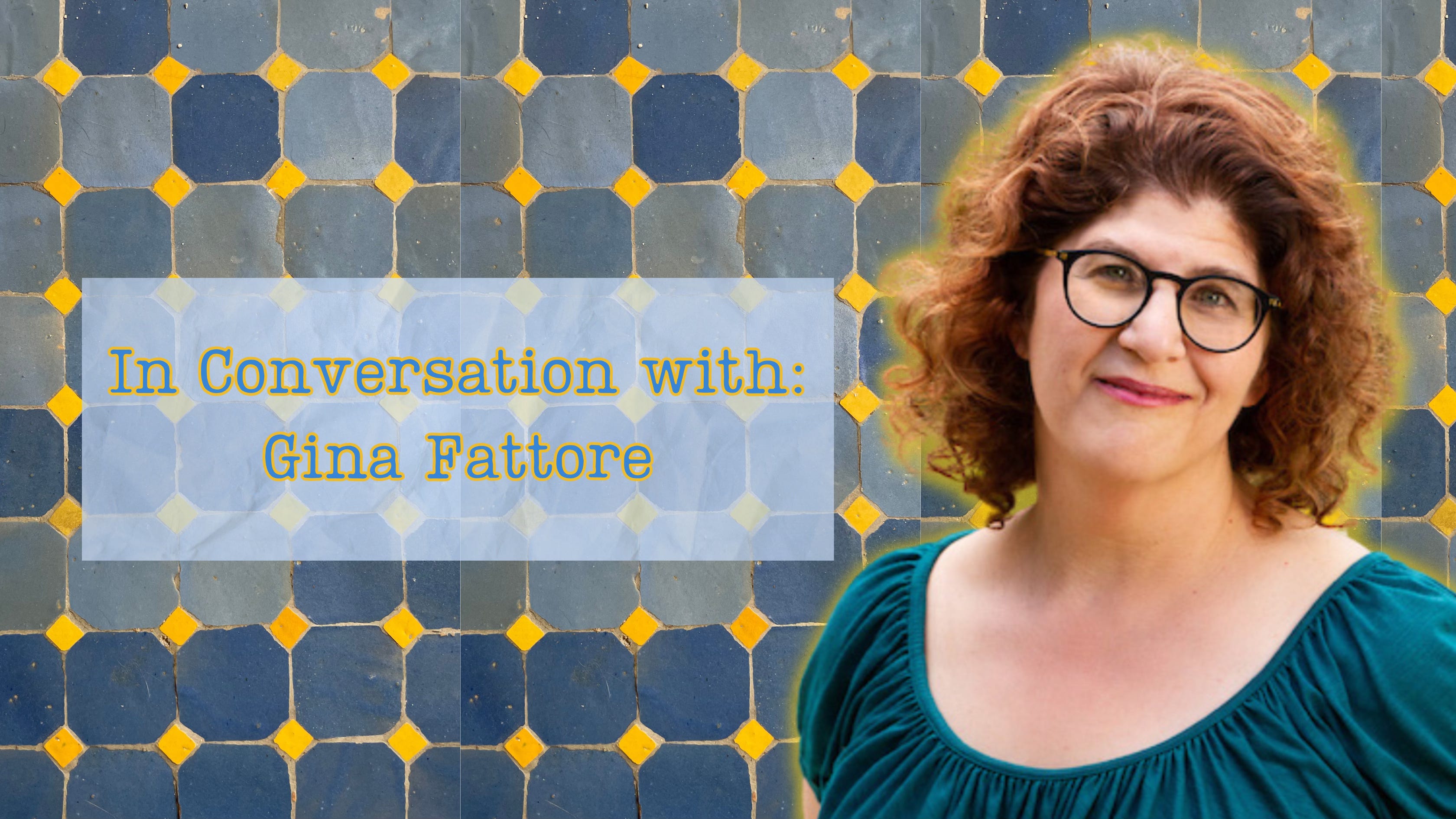
When I sat down with Gina Fattore—an accomplished TV writer and author of The Spinster Diaries—I knew we were in for a lively conversation. As someone who has built a career crafting compelling narratives on shows like Gilmore Girls, Better Things, and her TEDx Talk, Become What You Believe, Gina is no stranger to challenging conventional stories. Our discussion spanned everything from the feminist impact of 70s television to the value of autonomy, the changing landscape of storytelling, and what it truly means to embrace singlehood.
The Power of Seeing Independent Women on Screen
Gina and I bonded over how formative 70s television was for both of us. She pointed to The Mary Tyler Moore Show as a defining influence, saying, “Shows like that put women’s independence on screen for the first time. Mary wasn’t just single; she was thriving on her own terms.” That portrayal was groundbreaking. For many women, including Gina and me, seeing Mary Richards navigate her career and friendships—without centering her life around marriage—felt like a quiet revolution.
We didn’t realize it at the time, but these shows were planting seeds, subtly reinforcing the idea that happiness doesn’t have to hinge on traditional milestones like marriage or children. They were offering an alternative narrative, one where a woman could be the protagonist of her own life, not just a supporting character in a man’s story.
Redefining the “Spinster” Narrative
Gina’s novel, The Spinster Diaries, dives deep into that idea. The book follows an unreliable but funny protagonist who, much like Gina herself, resists the societal pull toward traditional endings. “There’s this expectation that women’s stories only end when they fall in love. I wanted to write an ending that felt true to my experience,” Gina explained.
